
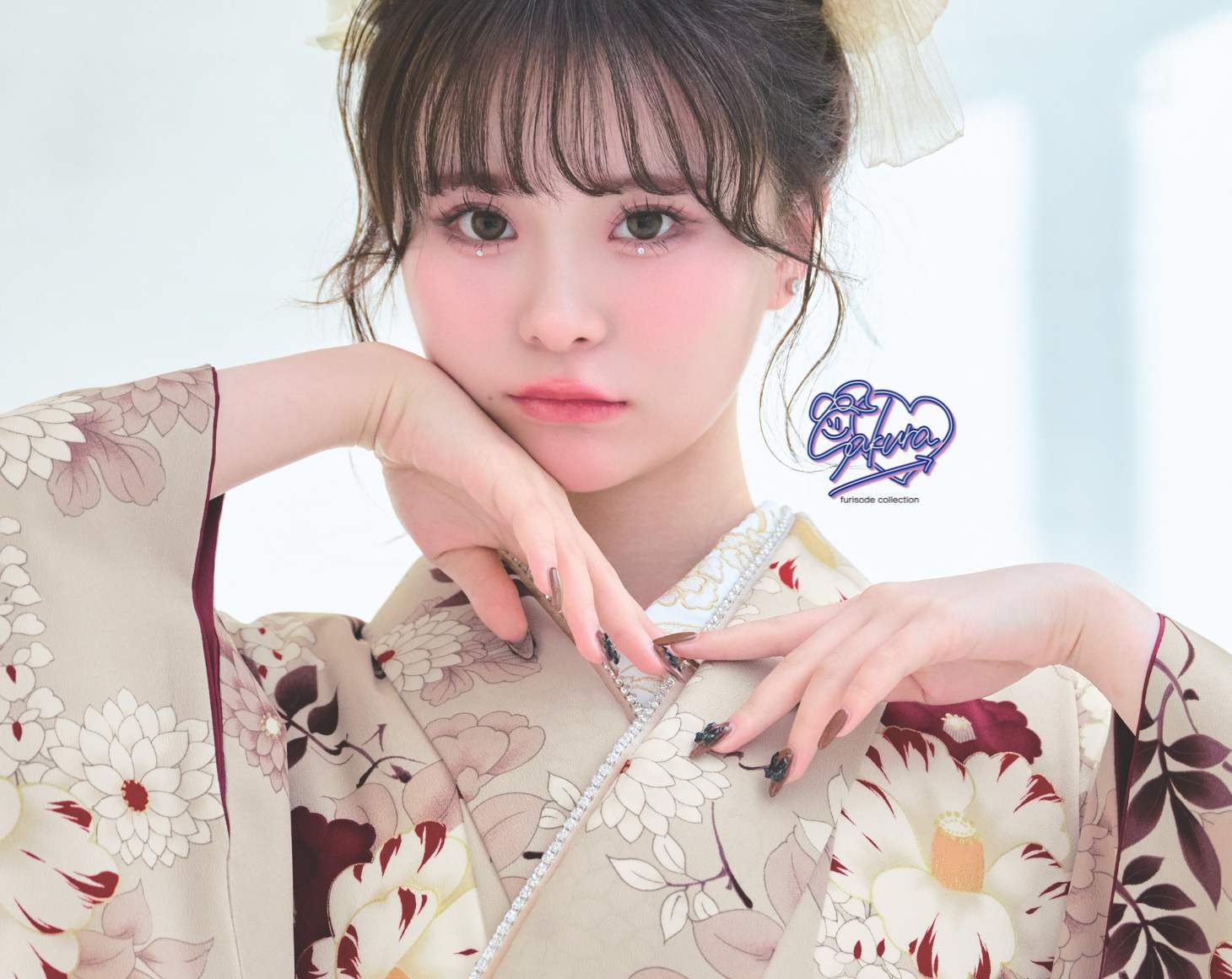
As you step into a kimono rental shop, you’re not just trying on a traditional garment – you’re experiencing a piece of Japanese culture. To make the most of it, it’s crucial to be mindful of the etiquette involved. You’ll want to remove your shoes before entering, and refrain from snacking or sipping on drinks while trying on kimonos. But what else should you know to avoid unintentionally offending locals or the shop staff? From choosing the right kimono type to understanding dressing basics, there’s more to kimono rental etiquette than you might think – and it’s about to get a whole lot more interesting.
Choosing the Right Kimono Type
When walking into a kimono rental shop, you’re immediately surrounded by a dazzling array of colors, patterns, and fabrics.
You’ll see kimonos ranging from bold and vibrant to soft and subtle, each with its own unique character.
To choose the right kimono type, consider the occasion and your personal style. For formal events, opt for a more subdued, traditional design.
If you’re looking for something more playful, a modern kimono with bold patterns and bright colors might be the way to go.
Think about the season, too.
In the spring, cherry blossom-inspired kimonos are popular, while autumn kimonos often feature leaf patterns.
Winter kimonos tend to be darker and more subdued, while summer kimonos are often lighter and more vibrant.
Don’t be afraid to ask the shop staff for guidance – they can help you narrow down your options and find the perfect kimono for your needs.
Understanding Kimono Dressing Basics
Your chosen kimono hangs beautifully on the rack, but now it’s time to learn how to put it on.
First, you’ll need to wear a kimono undergarment called a “juban.” This lightweight robe helps your kimono slide smoothly and prevents it from clinging to your skin.
Next, put on your kimono, making sure to wrap the right side over the left (the opposite of how you’d wear a robe). The kimono should be wrapped snugly but not too tightly, with the sash (or “obi”) sitting just above your natural waistline.
When tying the obi, use a bow-like knot in the back, making sure it’s secure but not too tight. Traditionally, the obi is tied on the left side, but some modern styles allow for a right-side tie.
Keep your sleeves smooth and flat, as bunching can look sloppy. Finally, add any finishing touches, like a kimono pin or ornaments, to complete your look. With these basics down, you’ll be well on your way to dressing like a kimono pro!
Respecting Kimono Rental Rules
The kimono rental shop’s rules are in place to ensure their delicate garments are treated with care, and it’s essential you respect them.
You’ll likely be asked to remove your shoes before entering the shop, so be prepared to do so. Some shops may also request you not to eat or drink while trying on kimonos, as accidental spills can damage the fabric.
When trying on kimonos, you’ll usually be provided with a yukata or a juban to wear underneath.
Make sure to put these on correctly, as the staff will show you, to prevent the 振袖 購入 from getting wrinkled or creased. Don’t try to alter the kimono in any way, such as adjusting the sleeves or hem, as this can cause damage. If you need any adjustments, ask the staff for assistance.
Wearing Kimono Correctly Outdoors
As you step out of the rental shop, the vibrant colors and intricate patterns of your chosen kimono catch the sunlight, making you feel like a true Japanese cultural ambassador.
Now that you’re wearing your kimono, it’s essential to wear it correctly outdoors. First, make sure you’re wearing the kimono with the left side wrapped over the right. This is a fundamental rule, and you’ll look awkward if you get it wrong.
Next, adjust the kimono so it’s not too tight or too loose. You want to be comfortable while still looking dignified.
When walking, try to keep your pace slow and deliberate. This will help you avoid tripping on the hem and make you look more elegant.
Keep your hands visible and avoid putting them in your pockets, as this is considered impolite. If you need to carry something, use a small bag or clutch.
Avoiding Cultural Faux Pas
Now you’re confident in your ability to wear a kimono correctly outdoors, it’s time to focus on avoiding cultural faux pas that might unintentionally offend locals or diminish your overall experience.
When visiting shrines or temples, remember to dress modestly.
Avoid revealing kimonos or those with flashy designs, as they’re considered inappropriate for sacred places.
Also, never step on a tatami mat with your shoes on, as it’s considered impolite.
Instead, remove your shoes before entering a traditional room or change into slippers provided.
Be mindful of your behavior when wearing a kimono.
Avoid loud conversations, eating, or drinking while walking.
These actions are seen as disrespectful, especially in traditional areas.
Don’t take selfies in front of shrines or temples, as it’s considered impolite to prioritize your photo over the sacred site.
Conclusion
You’ve made it through the kimono rental process with ease! By following these simple etiquette rules, you’ve shown respect for the traditional attire and the rental shop. Remember, wearing a kimono is not just about looking good – it’s about embracing the cultural significance behind it. Now, go forth and enjoy your kimono-clad adventure, confident that you’re representing the beauty of Japanese culture with dignity and poise.
